What are realistic paintings by famous artists?
Realistic paintings by famous artists are artworks that depict subjects in a lifelike and accurate manner. They are often created using traditional painting techniques, such as oil or watercolor, and may feature a variety of subjects, including landscapes, portraits, and still lifes.
Realistic paintings by famous artists can be found in museums and galleries around the world. They are often highly prized for their technical skill and their ability to capture the beauty and complexity of the world around us.
Some of the most famous realistic paintings include:
- Mona Lisa by Leonardo da Vinci
- The Starry Night by Vincent van Gogh
- American Gothic by Grant Wood
- The Scream by Edvard Munch
- Guernica by Pablo Picasso
These paintings are just a few examples of the many realistic masterpieces that have been created throughout history. They continue to inspire and amaze viewers with their beauty, skill, and power to capture the human experience.
Realistic Paintings by Famous Artists
Realistic paintings by famous artists are artworks that depict subjects in a lifelike and accurate manner. They are often created using traditional painting techniques, such as oil or watercolor, and may feature a variety of subjects, including landscapes, portraits, and still lifes.
Some of the key aspects of realistic paintings by famous artists include:
- Accuracy: Realistic paintings are known for their accurate depiction of subjects, often capturing the finest details.
- Detail: Realistic paintings often include a great deal of detail, which can be seen in the rendering of textures, fabrics, and other elements.
- Lighting: Realistic paintings often use lighting to create a sense of depth and realism.
- Perspective: Realistic paintings often use perspective to create the illusion of three-dimensionality.
- Skill: Realistic paintings require a great deal of skill to execute, as they must accurately capture the appearance of the subject.
- Beauty: Realistic paintings can be incredibly beautiful, as they capture the beauty of the world around us.
- Inspiration: Realistic paintings can be inspiring, as they can show us the world in a new light.
- Timeless: Realistic paintings can be timeless, as they can continue to be enjoyed by people for generations to come.
Realistic paintings by famous artists are a valuable part of our cultural heritage. They can teach us about history, culture, and the human condition. They can also be a source of beauty and inspiration. Here are a few examples of famous realistic paintings:
- Mona Lisa by Leonardo da Vinci
- The Starry Night by Vincent van Gogh
- American Gothic by Grant Wood
- The Scream by Edvard Munch
- Guernica by Pablo Picasso
These paintings are just a few examples of the many realistic masterpieces that have been created throughout history. They continue to inspire and amaze viewers with their beauty, skill, and power to capture the human experience.
Accuracy
Accuracy is one of the key characteristics of realistic paintings by famous artists. Realistic painters strive to depict their subjects in a lifelike and accurate manner, often capturing the finest details. This accuracy can be seen in the rendering of textures, fabrics, and other elements.
- Facet 1: Depiction of Texture
Realistic painters often use a variety of techniques to depict the texture of their subjects. For example, they may use thick brushstrokes to create the texture of a rough fabric, or they may use thin, delicate brushstrokes to create the texture of a smooth skin.
- Facet 2: Depiction of Fabric
Realistic painters also often pay close attention to the depiction of fabric in their paintings. They may use different colors and brushstrokes to create the look of different types of fabric, such as silk, velvet, or cotton.
- Facet 3: Depiction of Other Elements
In addition to texture and fabric, realistic painters also often pay close attention to the depiction of other elements in their paintings, such as light, shadow, and perspective. These elements can all be used to create a sense of depth and realism.
The accuracy of realistic paintings by famous artists is one of the things that makes them so special. These paintings are able to capture the beauty and complexity of the world around us in a way that is both lifelike and timeless.
Detail
Detail is one of the key characteristics of realistic paintings by famous artists. Realistic painters often spend a great deal of time and effort on the details of their paintings, as this is what helps to create a sense of realism and immersion for the viewer. The level of detail in realistic paintings can vary greatly, but even the smallest details can have a significant impact on the overall effect of the painting.
One of the ways that realistic painters create detail is through the rendering of textures. They may use a variety of techniques to create the illusion of different textures, such as using thick brushstrokes to create the texture of a rough fabric, or using thin, delicate brushstrokes to create the texture of a smooth skin.
Realistic painters also often pay close attention to the depiction of fabric in their paintings. They may use different colors and brushstrokes to create the look of different types of fabric, such as silk, velvet, or cotton. The way that fabric is depicted can have a significant impact on the overall tone and mood of the painting.
In addition to texture and fabric, realistic painters also often pay close attention to the depiction of other elements in their paintings, such as light, shadow, and perspective. These elements can all be used to create a sense of depth and realism, and they can also be used to draw the viewer's attention to certain areas of the painting.The detail in realistic paintings by famous artists is one of the things that makes them so special. These paintings are able to capture the beauty and complexity of the world around us in a way that is both lifelike and timeless.Here are some examples of famous realistic paintings that are known for their detail:
- Mona Lisa by Leonardo da Vinci
- The Starry Night by Vincent van Gogh
- American Gothic by Grant Wood
- The Scream by Edvard Munch
- Guernica by Pablo Picasso
Lighting
Lighting is one of the key elements that realistic painters use to create a sense of depth and realism in their paintings. By carefully controlling the way that light falls on their subjects, realistic painters can create the illusion of three-dimensionality and make their paintings appear more lifelike.
- Facet 1: Creating Depth
One of the ways that realistic painters use lighting to create a sense of depth is by using chiaroscuro. Chiaroscuro is a technique that uses contrasting areas of light and dark to create the illusion of depth and form. By placing light and dark areas in strategic locations, realistic painters can make their subjects appear more three-dimensional.
- Facet 2: Enhancing Realism
Realistic painters also use lighting to enhance the realism of their paintings. By carefully observing the way that light falls on different objects, they can accurately depict the textures, colors, and shapes of their subjects. This attention to detail helps to create paintings that are both beautiful and realistic.
- Facet 3: Setting the Mood
In addition to creating depth and realism, lighting can also be used to set the mood of a painting. For example, a painting with bright, cheerful lighting may convey a sense of happiness and optimism, while a painting with dark, somber lighting may convey a sense of sadness or foreboding.
- Facet 4: Guiding the Viewer's Eye
Realistic painters also use lighting to guide the viewer's eye through their paintings. By placing areas of light and dark in strategic locations, they can draw the viewer's attention to certain areas of the painting and create a sense of movement.
Lighting is a powerful tool that realistic painters use to create a sense of depth, realism, and mood in their paintings. By carefully controlling the way that light falls on their subjects, realistic painters can create paintings that are both beautiful and lifelike.
Perspective
Perspective is one of the key elements that realistic painters use to create a sense of depth and realism in their paintings. By understanding and using perspective, realistic painters can make their paintings appear more lifelike and three-dimensional.
- One-Point Perspective
One-point perspective is a technique that uses a single vanishing point to create the illusion of depth. This technique is often used in architectural paintings and landscapes.
- Two-Point Perspective
Two-point perspective is a technique that uses two vanishing points to create the illusion of depth. This technique is often used in paintings of interiors and cityscapes.
- Three-Point Perspective
Three-point perspective is a technique that uses three vanishing points to create the illusion of depth. This technique is often used in paintings of complex architectural structures and scenes.
- Aerial Perspective
Aerial perspective is a technique that uses changes in color and value to create the illusion of depth. This technique is often used in landscapes to create a sense of distance.
Perspective is a powerful tool that realistic painters use to create a sense of depth and realism in their paintings. By understanding and using perspective, realistic painters can make their paintings appear more lifelike and three-dimensional.
Skill
Skill is one of the most important qualities of realistic paintings by famous artists. Realistic paintings are not easy to create, as they require a great deal of skill and practice to master. The artist must have a deep understanding of anatomy, perspective, and light in order to accurately capture the appearance of their subject.
There are many different skills that are involved in creating a realistic painting. Some of these skills include:
- The ability to draw accurately
- The ability to mix and use colors correctly
- The ability to create the illusion of depth and space
- The ability to capture the likeness of a subject
Realistic paintings by famous artists are often highly prized for their technical skill and beauty. These paintings can be found in museums and galleries around the world, and they continue to inspire and amaze viewers with their realism and artistry.
Here are some examples of famous realistic paintings that demonstrate the skill of their creators:
- Mona Lisa by Leonardo da Vinci
- The Starry Night by Vincent van Gogh
- American Gothic by Grant Wood
- The Scream by Edvard Munch
- Guernica by Pablo Picasso
Beauty
Realistic paintings by famous artists are often highly prized for their beauty. These paintings are able to capture the beauty of the world around us in a way that is both lifelike and timeless. The beauty of realistic paintings can be seen in their:
- Accuracy: Realistic paintings are known for their accurate depiction of subjects, often capturing the finest details. This accuracy can be seen in the rendering of textures, fabrics, and other elements, which helps to create a sense of realism and immersion for the viewer.
- Detail: Realistic paintings often include a great deal of detail, which can be seen in the rendering of textures, fabrics, and other elements. This detail helps to create a sense of realism and depth, and it can also draw the viewer's attention to certain areas of the painting.
- Lighting: Realistic paintings often use lighting to create a sense of depth and realism. By carefully controlling the way that light falls on their subjects, realistic painters can create the illusion of three-dimensionality and make their paintings appear more lifelike.
- Perspective: Realistic paintings often use perspective to create the illusion of three-dimensionality. By understanding and using perspective, realistic painters can make their paintings appear more lifelike and immersive.
The beauty of realistic paintings by famous artists is undeniable. These paintings are able to capture the beauty of the world around us in a way that is both lifelike and timeless. They continue to inspire and amaze viewers with their beauty, skill, and power to capture the human experience.
Inspiration
Realistic paintings by famous artists can be a source of inspiration for many reasons. They can offer a new perspective on the world, challenge our preconceptions, and spark our creativity.
- Providing a New Perspective: Realistic paintings can offer a new perspective on the world by capturing moments and details that we may not have noticed before. By presenting the world in a realistic way, these paintings can help us to see the beauty and wonder in everyday things.
- Challenging Preconceptions: Realistic paintings can also challenge our preconceptions about the world. By depicting subjects in a realistic way, these paintings can challenge our assumptions and encourage us to think more deeply about the world around us.
- Sparking Creativity: Realistic paintings can also spark our creativity by providing a starting point for our own imaginations. By seeing how other artists have interpreted the world, we can be inspired to create our own unique works of art.
The inspiration that we can find in realistic paintings by famous artists is a valuable gift. These paintings can help us to see the world in a new light, challenge our preconceptions, and spark our creativity. They are a reminder that the world is a beautiful and amazing place, and that there is always something new to discover.
Timeless
Realistic paintings by famous artists are often considered timeless because they transcend the boundaries of time and continue to resonate with people across generations. This enduring appeal can be attributed to several factors:
- Universal Themes: Realistic paintings often depict universal themes and emotions that are relatable to people of all cultures and backgrounds. These themes, such as love, loss, joy, and sorrow, are timeless and continue to captivate viewers regardless of the era.
- Technical Skill: Realistic paintings require a high level of technical skill and craftsmanship. The ability to accurately depict the world around them allows these paintings to transcend the boundaries of time and remain visually appealing to viewers of all generations.
- Historical Significance: Realistic paintings by famous artists often document important historical events or cultural moments. These paintings provide a glimpse into the past and can help us to understand the values and beliefs of different societies.
The timeless quality of realistic paintings by famous artists is a testament to their artistic merit and cultural significance. These paintings continue to inspire, educate, and entertain people around the world, making them a valuable part of our cultural heritage.
Here are some examples of famous realistic paintings that have stood the test of time:
- Mona Lisa by Leonardo da Vinci
- The Starry Night by Vincent van Gogh
- American Gothic by Grant Wood
- The Scream by Edvard Munch
- Guernica by Pablo Picasso
Mona Lisa by Leonardo da Vinci
Mona Lisa by Leonardo da Vinci is one of the most famous and iconic paintings in the world. It is also one of the most realistic paintings ever created. Leonardo da Vinci was a master of the sfumato technique, which allowed him to create subtle transitions between colors and tones. This technique gives the Mona Lisa her famous enigmatic smile.
The Mona Lisa is not only a technical masterpiece, but it is also a powerful and moving work of art. Leonardo da Vinci captured the inner life of his subject in a way that is both intimate and universal. The Mona Lisa is a timeless painting that continues to fascinate and inspire people around the world.
The Mona Lisa is an important component of realistic paintings by famous artists because it represents the pinnacle of what can be achieved in this genre. It is a painting that is both technically brilliant and emotionally resonant. The Mona Lisa is a reminder of the power of art to capture the human experience in all its complexity.
Here are some of the key insights that we can gain from studying the Mona Lisa:
- The importance of observation: Leonardo da Vinci was a keen observer of the natural world. He spent countless hours studying the human form and the way that light interacts with different surfaces. This close observation allowed him to create a painting that is both realistic and believable.
- The power of technique: Leonardo da Vinci was a master of the sfumato technique, which allowed him to create subtle transitions between colors and tones. This technique gives the Mona Lisa her famous enigmatic smile.
- The importance of emotion: The Mona Lisa is not only a technical masterpiece, but it is also a powerful and moving work of art. Leonardo da Vinci captured the inner life of his subject in a way that is both intimate and universal.
The Mona Lisa is a timeless painting that continues to fascinate and inspire people around the world. It is a reminder of the power of art to capture the human experience in all its complexity.
The Starry Night by Vincent van Gogh
Vincent van Gogh's "The Starry Night" is a seminal work in the history of art. While not strictly considered a realistic painting in the traditional sense, it nevertheless shares a deep connection with the genre of realistic paintings by famous artists, offering unique perspectives and insights.
- Emotional Realism: Unlike traditional realistic paintings that focus on accurate depiction of physical details, "The Starry Night" captures the emotional essence of the night sky and the surrounding landscape. Van Gogh's expressive brushstrokes and vibrant colors convey the awe and wonder he felt towards the natural world.
- Symbolic Representation: While the painting depicts a recognizable night scene, it also incorporates symbolic elements that transcend literal representation. The swirling stars and the undulating cypress tree in the foreground evoke a sense of cosmic harmony and the interconnectedness of all things.
- Technical Innovation: "The Starry Night" showcases van Gogh's innovative approach to painting. His use of thick impasto brushstrokes and complementary colors creates a sense of movement and energy, blurring the lines between realism and abstraction.
- Influence on Later Artists: "The Starry Night" has had a profound influence on subsequent generations of artists, inspiring countless works in various artistic styles. Its expressive and emotional qualities have resonated with artists exploring surrealism, symbolism, and abstract expressionism.
In conclusion, while "The Starry Night" may not conform to the strict conventions of realistic paintings, it shares a deep connection with the genre through its emotional realism, symbolic representation, and enduring influence on the art world. It stands as a testament to the power of art to transcend the boundaries of literal depiction and capture the essence of human experience.
American Gothic by Grant Wood
Grant Wood's "American Gothic" is a quintessential example of realistic paintings by famous artists. Created in 1930, this iconic work captures a stern-faced farmer and his plain-dressed daughter standing in front of their white clapboard house. The painting's simple yet powerful composition and use of realistic detail have made it one of the most recognizable and beloved paintings in American art.
- Depiction of Rural Life: "American Gothic" depicts the lives of ordinary Americans living in the rural Midwest. Wood's focus on the plain and simple lifestyle of his subjects provides a glimpse into the values and traditions of small-town America during the early 20th century.
- Symbolism and Interpretation: While the painting appears to be a straightforward portrait, it is rich in symbolism and has been interpreted in various ways. The pitchfork held by the farmer has been seen as a symbol of both rural labor and protection, while the house in the background represents the stability and conservatism of traditional American values.
- Technical Mastery and Realism: Wood was a master of realistic painting techniques. His meticulous attention to detail and use of sharp, clear lines create a sense of photographic realism. The painting's composition and perspective further enhance the illusion of depth and three-dimensionality.
- Influence on American Art: "American Gothic" has had a profound influence on American art, both during Wood's time and beyond. The painting's iconic status has made it a subject of numerous parodies and reinterpretations, demonstrating its enduring relevance and cultural impact.
In conclusion, "American Gothic" by Grant Wood exemplifies the key characteristics of realistic paintings by famous artists. Through its depiction of rural life, use of symbolism, technical mastery, and enduring cultural significance, the painting provides a timeless and insightful commentary on American society and values.
The Scream by Edvard Munch
Edvard Munch's "The Scream" is a seminal work in the history of art and a prominent component of realistic paintings by famous artists. While not strictly adhering to the conventions of traditional realism, "The Scream" exhibits a unique blend of realistic and expressionistic elements that contribute to its profound impact and enduring significance.
One of the key aspects connecting "The Scream" to realistic paintings is its depiction of a recognizable human figure and setting. The central figure, with its agonized expression and contorted body, is rendered in a realistic manner, capturing the raw emotions of anxiety and despair. The background, though stylized, evokes a sense of place and atmosphere, with the undulating fjord and distant shoreline providing a haunting backdrop.
However, "The Scream" transcends mere representation by incorporating symbolic and expressionistic elements. The exaggerated features of the figure, the vibrant colors, and the swirling lines create a sense of emotional intensity that goes beyond the confines of realism. This combination of realistic and expressionistic techniques allows Munch to convey the psychological and existential anguish of the modern human condition.
The Scream" has had a profound influence on subsequent generations of artists, inspiring countless works in various artistic styles. Its exploration of universal human emotions and its innovative use of artistic techniques have made it a touchstone for artists seeking to express the complexities of the human experience.
In summary, "The Scream" by Edvard Munch stands as a unique and powerful example of the intersection between realistic and expressionistic painting. Through its realistic depiction of the human figure and setting, combined with its symbolic and emotional intensity, "The Scream" captures the essence of the human condition and continues to resonate with audiences worldwide.
Guernica by Pablo Picasso
Pablo Picasso's "Guernica" is a powerful and iconic work that holds a significant place within the realm of realistic paintings by famous artists. While it may not adhere to the traditional conventions of realism in its entirety, "Guernica" exhibits a unique blend of realistic and abstract elements that contribute to its profound impact and lasting legacy.
- Depiction of Human Suffering: "Guernica" is a harrowing depiction of the horrors of war and the suffering it inflicts upon innocent civilians. Picasso's use of distorted figures, fragmented bodies, and muted colors conveys the chaos, anguish, and despair of the bombing of the Basque town of Guernica during the Spanish Civil War.
- Symbolism and Allegory: Beyond its realistic portrayal of human suffering, "Guernica" is also rich in symbolism and allegory. The bull, the horse, and the weeping women are powerful symbols that evoke themes of violence, suffering, and hope. The painting's monochromatic palette further enhances its symbolic and allegorical dimensions.
- Influence on Anti-War Art: "Guernica" has had a profound influence on anti-war art and activism. It has become a symbol of the devastation and futility of war, inspiring countless works of art and protests against war and violence worldwide.
- Technical Innovation: While "Guernica" shares some characteristics with realistic paintings, it also exhibits innovative and experimental techniques. Picasso's use of collage, fragmentation, and abstraction demonstrates his willingness to push the boundaries of artistic expression and challenge traditional notions of realism.
In conclusion, "Guernica" by Pablo Picasso is a groundbreaking and powerful work that transcends the boundaries of traditional realism. Through its depiction of human suffering, use of symbolism, influence on anti-war art, and technical innovation, "Guernica" stands as a testament to the enduring power of art to address critical social and political issues.
FAQs about Realistic Paintings by Famous Artists
This section addresses frequently asked questions about realistic paintings by famous artists, providing informative answers to enhance your understanding of this captivating genre.
Question 1: What are the key characteristics of realistic paintings by famous artists?
Realistic paintings by famous artists are renowned for their meticulous attention to detail, accurate depiction of subjects, and skillful use of techniques that create the illusion of depth and lifelikeness.
Question 2: What are some examples of famous realistic paintings?
Notable examples include Leonardo da Vinci's "Mona Lisa," Vincent van Gogh's "The Starry Night," and Grant Wood's "American Gothic," each showcasing the unique styles and techniques of these renowned artists.
Question 3: How do realistic paintings differ from other art styles?
Realistic paintings prioritize the accurate representation of the physical world, whereas other styles, such as abstract or expressionist art, may emphasize emotional expression or conceptual ideas.
Question 4: What are the benefits of studying realistic paintings by famous artists?
Studying these works can enhance your appreciation for the technical skill involved, provide insights into historical periods and cultural contexts, and inspire your own artistic endeavors.
Question 5: How can I distinguish between a realistic painting and a photograph?
While realistic paintings strive to mimic the appearance of reality, they often exhibit subtle brushstrokes, textures, and artistic interpretations that differentiate them from photographs.
Question 6: What is the significance of realistic paintings in the art world?
Realistic paintings have played a crucial role in the evolution of art, showcasing the mastery of techniques, capturing historical moments, and providing valuable insights into the human condition.
Summary: Realistic paintings by famous artists are highly valued for their technical skill, lifelike depiction of subjects, and ability to transcend time and cultural boundaries. Studying and appreciating these works can enrich our understanding of art, history, and the human experience.
Transition: To further explore the world of realistic paintings by famous artists, let's delve into the techniques and styles employed by these extraordinary creators.
Tips for Appreciating Realistic Paintings by Famous Artists
To fully appreciate the beauty and significance of realistic paintings by famous artists, consider the following tips:
Tip 1: Observe the Details: Take your time to examine the intricate details within the painting. Notice the brushstrokes, textures, and subtle variations in color. These elements contribute to the illusion of depth and realism.
Tip 2: Understand the Context: Research the artist, historical period, and subject matter of the painting. This context will provide insights into the artist's intentions and the cultural significance of the work.
Tip 3: Study the Techniques: Analyze the artist's use of perspective, lighting, and color theory. Understanding these techniques will enhance your appreciation for the skill and mastery involved in creating realistic paintings.
Tip 4: Compare and Contrast: Examine different realistic paintings by the same artist or from different periods. This will help you identify their unique styles and approaches.
Tip 5: Visit Museums and Galleries: Experience realistic paintings in person to fully appreciate their scale, texture, and impact. Museums and galleries often provide detailed descriptions and insights into the artworks.
Summary: By following these tips, you can deepen your understanding and appreciation for the remarkable skill and artistry of realistic paintings by famous artists. These works offer a glimpse into the human experience, capturing the beauty and complexities of the world around us.
Conclusion: Realistic paintings by famous artists continue to inspire and amaze, showcasing the enduring power of art to imitate and interpret the world we see.
Conclusion
Realistic paintings by famous artists are a testament to the enduring power of art to imitate and interpret the world we see. Through meticulous attention to detail, skillful use of techniques, and a deep understanding of perspective and light, these artists have created masterpieces that transcend time and cultural boundaries.
By studying and appreciating realistic paintings, we not only gain an appreciation for the technical skill involved but also a deeper understanding of the human condition, history, and the beauty of the world around us. These works invite us to observe, reflect, and connect with the complexities of life, inspiring us to see the world with fresh eyes.
Steve Harvey's Parents: Uncovering The Roots Of Success
Unraveling The Truth: Jorja Smith's Pregnancy Rumors And The Quest For Clarity
Unlock The Rhythm: Discover The Latest Nigerian Hit Songs Of 2023
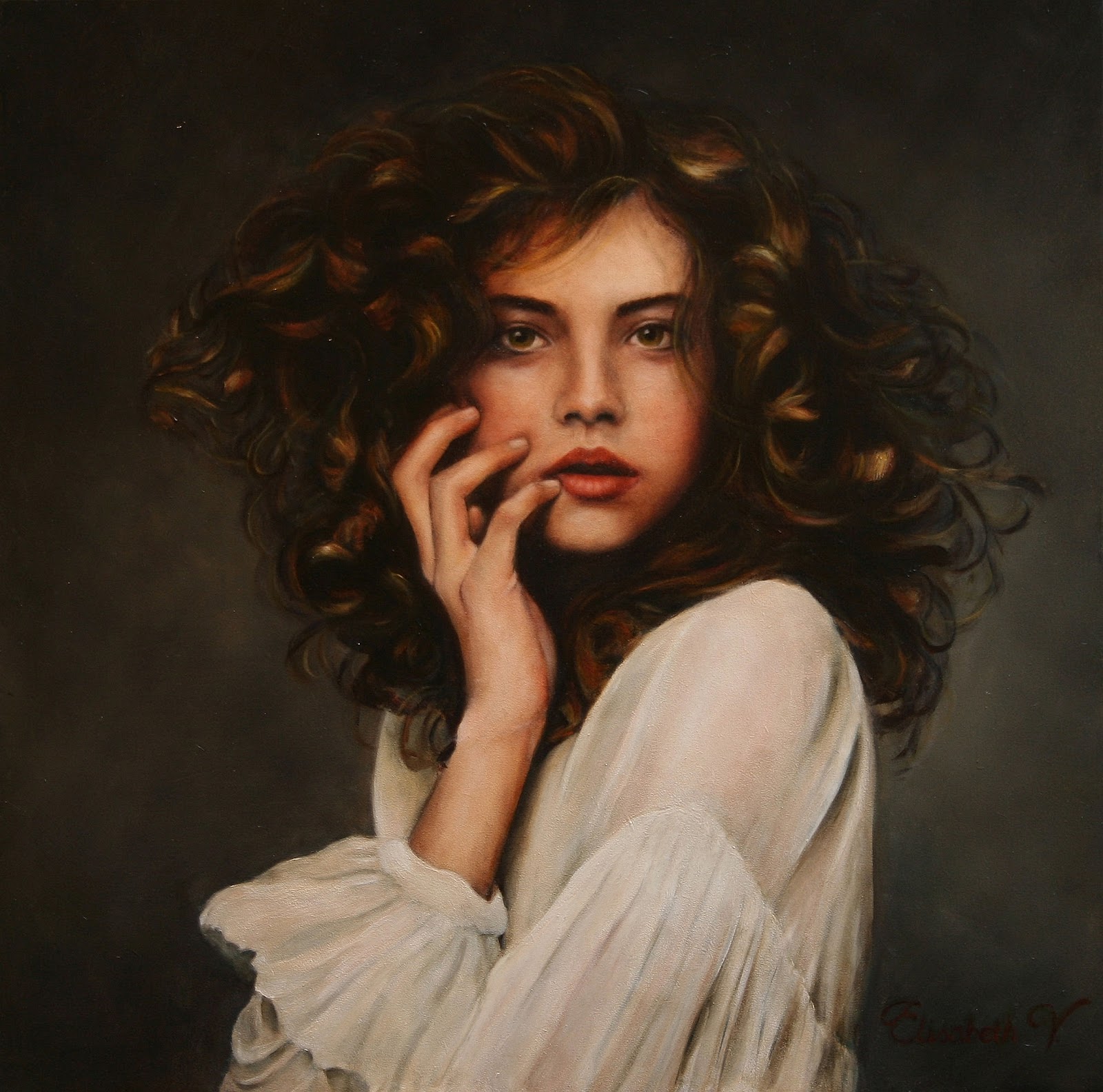
Liseth Visser Classical Realist painter Tutt'Art Pittura

26 Hyper Realistic and Beautiful Oil Paintings by Famous Artist Rob

Stunning HyperRealistic Surreal Paintings by Alexander Sviridov1

