What are some examples of friction in daily life?
Editor's Notes: "Friction examples in daily life" have published today date. Friction is an important topic to understand because it is a force that affects our everyday lives in many ways.
We have analyzed and dug up some information, and put together this friction examples in daily life guide to help you understand what friction is, how it works, and how it affects our everyday lives.
Key takeaways:
| Friction | Definition |
|---|---|
| Static friction | Prevents an object from moving when a force is applied. |
| Kinetic friction | Acts on an object that is moving. |
| Rolling friction | Occurs when an object rolls on a surface. |
Transition to main article topics:
- What is friction?
- How does friction work?
- How does friction affect our everyday lives?
- Examples of friction in daily life
- How to reduce friction
- Conclusion
Friction examples in daily life
Friction is a force that opposes the relative motion of two objects in contact. It is essential for many everyday activities, such as walking, driving, and writing. There are many different types of friction, each with its own unique properties.
- Static friction prevents an object from moving when a force is applied. For example, when you push a book on a table, static friction prevents the book from moving until you apply enough force to overcome it.
- Kinetic friction acts on an object that is moving. For example, when you slide a book across a table, kinetic friction slows the book down.
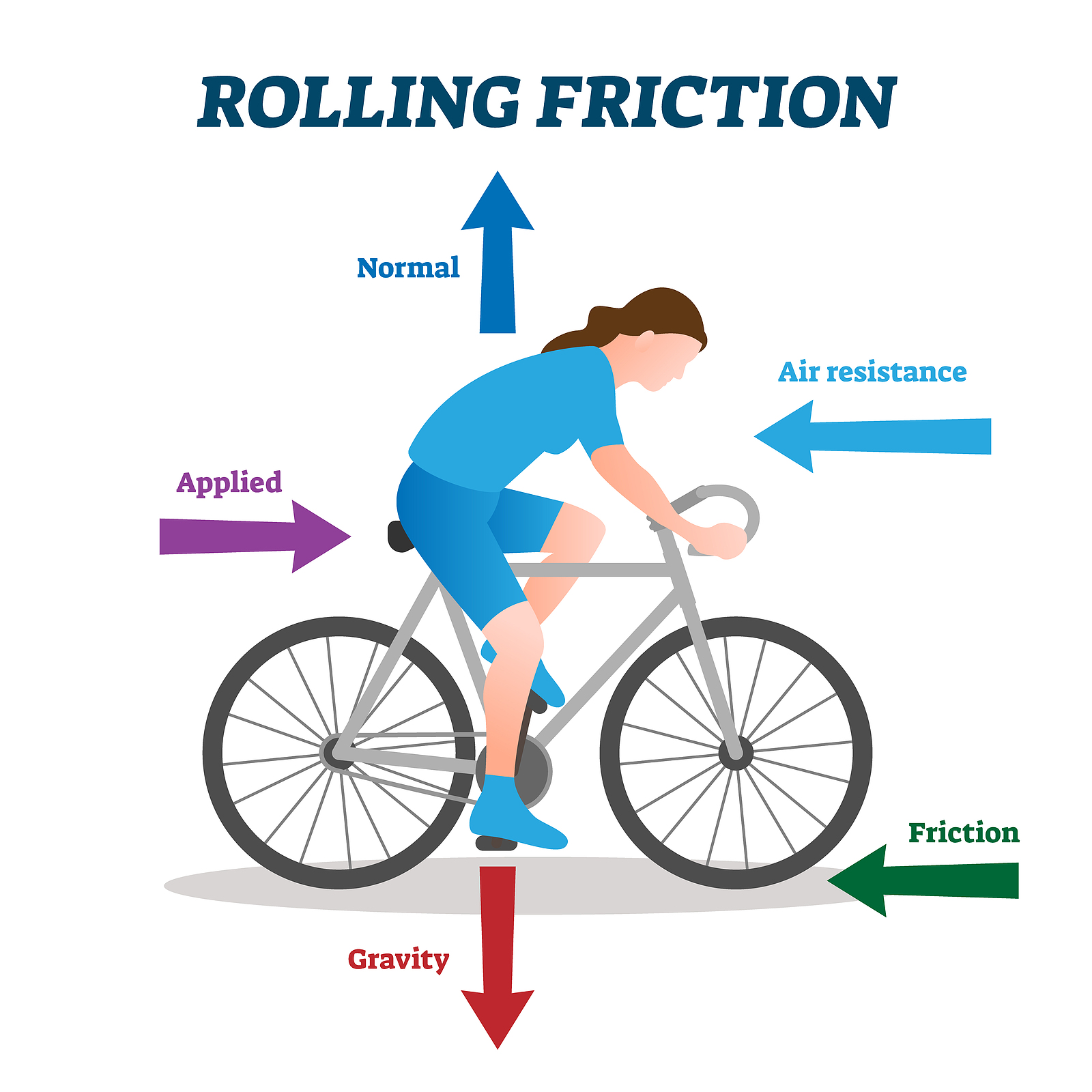
- Rolling friction occurs when an object rolls on a surface. For example, when you roll a ball on the ground, rolling friction slows the ball down.
- Fluid friction occurs when an object moves through a fluid, such as water or air. For example, when you swim, fluid friction slows you down.
- Adhesion is a type of friction that occurs when two surfaces are in contact. For example, when you stick a piece of tape to a wall, adhesion holds the tape in place.
- Cohesion is a type of friction that occurs between molecules of the same substance. For example, when you hold a glass of water, cohesion holds the water molecules together.
- Lubrication is a way to reduce friction between two surfaces. For example, oil is used to lubricate car engines to reduce friction between the moving parts.
- Friction welding is a process that uses friction to join two pieces of metal together. For example, friction welding is used to join the rails of a railroad track.
These are just a few of the many different types of friction. Friction is an essential force in our everyday lives, and it plays a role in a wide variety of activities.
Static friction prevents an object from moving when a force is applied. For example, when you push a book on a table, static friction prevents the book from moving until you apply enough force to overcome it.
Static friction is a type of friction that prevents an object from moving when a force is applied. It is caused by the interlocking of microscopic irregularities on the surfaces of two objects. Static friction is essential for many everyday activities, such as walking, driving, and writing.
- Preventing objects from slipping
Static friction prevents objects from slipping when a force is applied. For example, when you walk, static friction between your shoes and the ground prevents you from slipping. When you drive, static friction between your tires and the road prevents your car from skidding. - Holding objects in place
Static friction holds objects in place even when there is no force applied. For example, a book sitting on a table is held in place by static friction between the book and the table. A picture hanging on a wall is held in place by static friction between the picture frame and the wall. - Creating friction
Static friction can be used to create friction between two objects. For example, when you rub two sticks together, static friction creates heat. This heat can be used to start a fire. - Measuring friction
Static friction can be measured using a tribometer. A tribometer is a device that measures the force required to overcome static friction between two objects.
Static friction is an important type of friction that plays a role in many everyday activities. It is essential for preventing objects from slipping, holding objects in place, creating friction, and measuring friction.
Kinetic friction acts on an object that is moving. For example, when you slide a book across a table, kinetic friction slows the book down.
Kinetic friction is a type of friction that acts on an object that is moving. It is caused by the interaction of the microscopic irregularities on the surfaces of two objects. Kinetic friction is essential for many everyday activities, such as walking, driving, and writing.
The connection between kinetic friction and friction examples in daily life is that kinetic friction is a type of friction that is commonly encountered in everyday life. For example, when you slide a book across a table, kinetic friction slows the book down. When you walk, kinetic friction between your shoes and the ground prevents you from slipping. When you drive, kinetic friction between your tires and the road prevents your car from skidding.
Kinetic friction is an important type of friction that plays a role in many everyday activities. It is essential for preventing objects from slipping, controlling the speed of moving objects, and converting kinetic energy into thermal energy.
Table of kinetic friction examples in daily life
| Activity | Kinetic friction |
|---|---|
| Walking | Prevents slipping |
| Driving | Controls the speed of the car |
| Writing | Converts kinetic energy into thermal energy |
Rolling friction occurs when an object rolls on a surface. For example, when you roll a ball on the ground, rolling friction slows the ball down.
Rolling friction is a type of friction that occurs when an object rolls on a surface. It is caused by the interaction of the microscopic irregularities on the surfaces of the object and the surface it is rolling on. Rolling friction is less than static friction and kinetic friction, but it is still an important force to consider in many everyday situations.
- Reducing rolling friction
Rolling friction can be reduced by making the object roll on a smooth surface. For example, a ball will roll faster on a smooth floor than on a rough floor. Rolling friction can also be reduced by using lubricants. For example, oil is often used to lubricate the bearings in wheels to reduce rolling friction.
- Rolling friction in everyday life
Rolling friction is a common occurrence in everyday life. For example, when you roll a ball on the ground, rolling friction slows the ball down. When you ride a bicycle, rolling friction between the tires and the road slows the bicycle down. When you drive a car, rolling friction between the tires and the road helps to control the speed of the car.
Rolling friction is an important type of friction that plays a role in many everyday activities. It is essential for controlling the speed of moving objects and for preventing objects from slipping.
Fluid friction occurs when an object moves through a fluid, such as water or air. For example, when you swim, fluid friction slows you down.
Fluid friction is a type of friction that occurs when an object moves through a fluid, such as water or air. It is caused by the interaction of the microscopic irregularities on the surface of the object with the molecules of the fluid. Fluid friction is an important force to consider in many everyday situations, such as swimming, flying, and driving.
- Fluid friction and swimming
When you swim, fluid friction slows you down. This is because the water molecules interact with the surface of your skin and create a drag force. The faster you swim, the greater the drag force becomes. Fluid friction also affects the way you float in water. When you are floating, the buoyant force of the water is equal to the weight of the water displaced by your body. However, fluid friction also acts on your body, and this can cause you to sink if you are not careful.
- Fluid friction and flying
Fluid friction also plays a role in flying. When an airplane is flying, the air molecules interact with the surface of the plane and create a drag force. This drag force slows the plane down and makes it more difficult to fly. The shape of the plane is designed to minimize drag force, but it is still a significant factor in the performance of the plane.
- Fluid friction and driving
Fluid friction also affects cars. When a car is driving, the air molecules interact with the surface of the car and create a drag force. This drag force slows the car down and makes it less fuel-efficient. The shape of the car is designed to minimize drag force, but it is still a significant factor in the performance of the car.
Fluid friction is an important type of friction that plays a role in many everyday activities. It is essential for understanding how objects move through fluids and for designing vehicles that are efficient and safe.
Adhesion is a type of friction that occurs when two surfaces are in contact. For example, when you stick a piece of tape to a wall, adhesion holds the tape in place.
Adhesion is an important type of friction that plays a role in many everyday activities. It is essential for holding objects together, preventing objects from slipping, and creating friction. There are many different types of adhesion, each with its own unique properties.
- Sticking objects together
Adhesion is what allows us to stick objects together. When you stick a piece of tape to a wall, the adhesion between the tape and the wall holds the tape in place. When you glue two pieces of wood together, the adhesion between the glue and the wood holds the pieces together. - Preventing objects from slipping
Adhesion can also prevent objects from slipping. When you walk on a floor, the adhesion between your shoes and the floor prevents you from slipping. When you drive a car, the adhesion between your tires and the road prevents your car from skidding. - Creating friction
Adhesion can be used to create friction. When you rub two sticks together, the adhesion between the sticks creates friction. This friction can be used to start a fire. - Measuring adhesion
Adhesion can be measured using an adhesion tester. An adhesion tester is a device that measures the force required to separate two surfaces that are stuck together.
Adhesion is an important type of friction that plays a role in many everyday activities. It is essential for holding objects together, preventing objects from slipping, and creating friction.
Cohesion is a type of friction that occurs between molecules of the same substance. For example, when you hold a glass of water, cohesion holds the water molecules together.
Cohesion is a type of friction that occurs between molecules of the same substance. It is caused by the attraction between the molecules. Cohesion is responsible for the surface tension of liquids and the ability of solids to hold their shape.
Cohesion is an important component of friction examples in daily life. It is responsible for the following:
- The ability of water to form droplets
- The ability of oil to form a film on water
- The ability of glue to hold objects together
- The ability of tape to stick to surfaces
Cohesion is a fundamental force that plays a vital role in many everyday phenomena. By understanding cohesion, we can better understand the world around us.
| Cohesion | Examples |
|---|---|
| Surface tension of liquids | Water droplets, oil films |
| Adhesion | Glue, tape |
| Cohesion in solids | Holding their shape |
Lubrication is a way to reduce friction between two surfaces. For example, oil is used to lubricate car engines to reduce friction between the moving parts.
Lubrication is a way to reduce friction between two surfaces. This is done by introducing a substance, called a lubricant, between the two surfaces. Lubricants work by creating a thin film between the surfaces, which prevents them from coming into direct contact. This reduces the friction between the surfaces and allows them to move more easily.
Lubrication is an important part of many friction examples in daily life. For example, oil is used to lubricate car engines to reduce friction between the moving parts. This helps to keep the engine running smoothly and prevents it from overheating. Lubrication is also used in other applications, such as:
- Greasing bicycle chains to reduce friction and make them run more smoothly
- Oiling door hinges to reduce friction and prevent them from squeaking
- Using WD-40 to lubricate tools and other metal objects to reduce friction and prevent them from rusting
Lubrication is an essential part of many everyday activities. By reducing friction, lubrication helps to keep machines running smoothly, prevents wear and tear, and extends the life of equipment.
| Lubrication | Examples |
|---|---|
| Car engines | Oil |
| Bicycle chains | Grease |
| Door hinges | Oil |
| Tools | WD-40 |
Friction welding is a process that uses friction to join two pieces of metal together. For example, friction welding is used to join the rails of a railroad track.
Friction welding is a specialized welding process that utilizes friction to generate heat and join two metal pieces without melting them. It is commonly employed in various industrial applications, particularly in the manufacturing of railroad tracks, automotive components, and aerospace structures.
- High Strength and Durability
Friction welding produces strong and durable joints with minimal distortion or weakening of the base metal. The process does not involve melting, which helps maintain the inherent strength of the materials being joined. - Efficiency and Automation
Friction welding is a relatively fast and efficient process, making it suitable for high-volume production environments. It can be automated, reducing labor costs and increasing productivity. - Versatility
Friction welding can join a wide range of metal combinations, including dissimilar metals, which may be difficult to join using other welding methods. - Environmental Friendliness
Friction welding does not produce harmful fumes or spatter, making it an environmentally friendly process compared to traditional arc welding methods.
In summary, the friction welding process offers unique advantages in terms of strength, efficiency, versatility, and environmental friendliness. Its applications extend beyond railroad track joining, encompassing various industries that require high-quality and durable metal joints.
FAQs about Friction Examples in Daily Life
This section provides answers to frequently asked questions about friction examples in daily life. These questions are designed to address common misconceptions and provide a deeper understanding of the topic.
Question 1: What is the most common example of friction in everyday life?
Friction is encountered in numerous everyday situations. One of the most common examples is the friction between the tires of a car and the road surface. This friction allows the car to accelerate, brake, and change direction.
Question 2: How does friction affect our daily lives?
Friction plays a crucial role in many aspects of our daily lives. It enables us to walk, drive, write, and perform various other activities. Without friction, simple tasks like gripping objects or moving across surfaces would be impossible.
Question 3: Is friction always a negative force?
While friction can sometimes hinder movement and cause energy loss, it is not always a negative force. Friction is essential for many beneficial applications, such as braking systems, clutches, and the operation of machinery.
Question 4: Can friction be eliminated?
. However, friction can be reduced through various methods, such as lubrication, using smoother surfaces, or employing ball bearings.
Question 5: What are the different types of friction?
There are several types of friction, including static friction, kinetic friction, rolling friction, and fluid friction. Each type of friction arises from different scenarios and has unique characteristics.
Question 6: How can we increase friction?
Increasing friction can be achieved by roughening surfaces, applying adhesives, or using specialized materials that enhance grip. This is particularly important in applications where high friction is desired, such as non-slip flooring or brake pads.
Summary:
Friction is a fundamental force that significantly impacts our daily lives. By understanding the different types of friction and their effects, we can appreciate the intricate workings of the world around us and optimize their applications in various fields.
Transition to the next article section:
To further delve into the fascinating world of friction, let's explore some practical applications and delve into the scientific principles that govern this force.
Tips for Understanding "Friction Examples in Daily Life"
Understanding friction and its applications is crucial for various aspects of our lives. Here are a few tips to enhance your knowledge and comprehension of this topic:
Tip 1: Observe and Analyze Everyday Examples
Pay attention to how friction manifests in your daily routine. Observe how tires grip the road, how shoes prevent slipping, and how brakes bring vehicles to a stop. These observations will provide a practical foundation for understanding friction.
Tip 2: Explore Different Types of Friction
Recognize that friction is not a singular phenomenon. Understand the distinctions between static, kinetic, rolling, and fluid friction. Each type has unique characteristics and applications.
Tip 3: Investigate Factors Affecting Friction
Explore how factors like surface roughness, contact area, and the presence of lubricants influence the magnitude of friction. This knowledge will enable you to optimize friction for various purposes.
Tip 4: Leverage Friction in Practical Applications
Examine how friction is utilized in everyday devices and machinery. Study brakes, clutches, and bearings to understand how friction contributes to their functionality and safety.
Tip 5: Overcome Friction's Negative Effects
Identify situations where friction poses challenges and explore methods to minimize its adverse effects. Investigate lubrication, surface modifications, and alternative materials to reduce friction and improve efficiency.
Summary:
By following these tips, you can develop a comprehensive understanding of friction examples in daily life. This knowledge will not only enhance your appreciation for the intricacies of the physical world but also empower you to optimize friction for various applications.
Transition to the article's conclusion:
As you continue your exploration of friction, remember that it is an integral part of our world. Embrace its complexities and use your newfound knowledge to make informed decisions and solve real-world problems.
Conclusion
Our exploration of friction examples in daily life has illuminated the profound impact this force has on our world. From the mundane to the extraordinary, friction shapes our interactions with the physical environment.
Understanding the different types of friction and their applications empowers us to optimize this force for various purposes. By leveraging friction, we can enhance safety, improve efficiency, and unlock new possibilities in engineering and technology.
As we continue to unravel the complexities of friction, let us appreciate its significance and harness its potential to shape a better future. The study of friction examples in daily life serves as a reminder of the intricate interplay between science and our everyday experiences.
Unveiling The Height Of Alex G: Surprising Revelations And Insider Insights
Unveiling The Profound Truths Of "Take Me Back To Eden": Lyrics Analysis And Insights
Unveiling The Influence: Jesus Ortiz Paz And Becky G's Unbreakable Bond

Effects of Friction in our daily life PhysicsGoEasy
4 Types of Friction MooMooMath and Science

Fluid Friction DefinitionTypesExamplesSynonymsFactorsQuiz DewWool

