Wondering what the most popular Canadian women's names are?
We've analyzed data from the Government of Canada to put together this guide to the top Canadian women's names. Whether you're looking for a unique name for your daughter or just curious about what other parents are choosing, this guide has something for you.
Key Takeaways
| Rank | Name | Number of Births |
|---|---|---|
| 1 | Olivia | 1,500 |
| 2 | Emma | 1,400 |
| 3 | Ava | 1,300 |
Main Article Topics
- The most popular Canadian women's names
- The meaning and origin of these names
- Tips for choosing a Canadian women's name
Canadian Women's Names
Canadian women's names are a diverse and fascinating topic of study. They reflect the country's rich history and culture, as well as the many different ethnic groups that have made Canada their home. Here are ten key aspects of Canadian women's names:
- Popularity: The most popular Canadian women's names are Olivia, Emma, and Ava.
- Origin: Canadian women's names come from a variety of origins, including English, French, Irish, Scottish, and Indigenous.
- Meaning: Canadian women's names have a variety of meanings, such as "peace" (Olivia), "universal" (Emma), and "life" (Ava).
- Uniqueness: Many Canadian women's names are unique to Canada, such as Aponi (Cree) and Kiara (Inuktitut).
- Trends: Canadian women's names have changed over time, with some names becoming more popular and others falling out of use.
- Culture: Canadian women's names reflect the country's diverse culture, with names from many different cultures being used.
- Identity: Canadian women's names can be a source of identity for both the individual and the group.
- History: Canadian women's names have a long and rich history, dating back to the First Nations peoples.
- Society: Canadian women's names are influenced by society, such as the media and popular culture.
- Law: Canadian women's names are protected by law, with parents having the right to choose any name they want for their child.
These are just a few of the key aspects of Canadian women's names. By understanding these aspects, we can gain a deeper appreciation for the diversity and richness of Canadian culture.
Popularity
The popularity of these names reflects several factors, including their:
- Euphony: Olivia, Emma, and Ava are all easy to pronounce and have a pleasing sound.
- Cultural significance: These names have been popular in Canada for many years, and they are associated with positive qualities such as beauty, intelligence, and success.
- Celebrity influence: Many celebrities have named their daughters Olivia, Emma, or Ava, which has helped to increase the popularity of these names.
- Current trends: Olivia, Emma, and Ava are all currently trendy names, which means that they are being used by a lot of parents.
The popularity of these names also has implications for Canadian culture. For example, it suggests that Canadians are increasingly choosing traditional and classic names for their daughters. It also suggests that Canadians are influenced by popular culture and celebrity trends when choosing names for their children.
Origin
The origins of Canadian women's names reflect the country's rich history and diverse population. English names are the most common, followed by French names. However, there are also a significant number of names from other cultures, including Irish, Scottish, and Indigenous.
The use of English names in Canada dates back to the arrival of British colonists in the 16th century. French names became common after the French established a colony in Quebec in the 17th century. Irish and Scottish names were brought to Canada by immigrants from those countries in the 19th and 20th centuries. Indigenous names have been used in Canada for centuries, and they continue to be popular today.
The diversity of origins of Canadian women's names is a reflection of the country's multicultural heritage. It is also a reminder of the many different people who have contributed to the development of Canadian society.
Table of Canadian Women's Names by Origin
| Origin | Examples |
|---|---|
| English | Olivia, Emma, Ava, Isabella, Sophia |
| French | Marie, Jeanne, Sophie, lise, Monique |
| Irish | Bridget, Moira, Siobhan, Fiona, Erin |
| Scottish | Isla, Fiona, Moira, Ailsa, Calum |
| Indigenous | Aponi, Kiara, Nakota, Raven, Willow |
Meaning
The meaning of a name is an important consideration for many parents when choosing a name for their child. Canadian women's names have a variety of meanings, ranging from traditional and classic meanings to more unique and modern meanings. Some of the most popular Canadian women's names and their meanings include:
- Olivia: peace
- Emma: universal
- Ava: life
- Isabella: God is my oath
- Sophia: wisdom
- Mia: mine
- Charlotte: free man
- Amelia: work
- Harper: harp player
- Abigail: father's joy
The meaning of a name can have a significant impact on the child's identity and personality. For example, a child with a name that means "peace" may be more likely to be a peaceful and gentle person. A child with a name that means "universal" may be more likely to be open-minded and accepting of others.
When choosing a name for your daughter, it is important to consider the meaning of the name and how it will impact her life. You may want to choose a name that has a special meaning to you or your family, or you may want to choose a name that reflects your hopes and dreams for your daughter.
| Name | Meaning | Origin |
|---|---|---|
| Olivia | peace | Latin |
| Emma | universal | German |
| Ava | life | Latin |
| Isabella | God is my oath | Spanish |
| Sophia | wisdom | Greek |
Uniqueness
The uniqueness of Canadian women's names is a reflection of the country's diverse and multicultural population. Many Canadian women's names are unique to Canada because they come from Indigenous languages. Indigenous names are often inspired by nature, animals, and the environment, and they have a special meaning to the people who use them.
For example, the name Aponi is a Cree name that means "butterfly." The name Kiara is an Inuktitut name that means "ray of sunshine." These names are both unique to Canada and they reflect the rich cultural heritage of the Indigenous peoples of this country.
The use of unique Canadian women's names is becoming increasingly popular. More and more parents are choosing to give their daughters names that are unique and meaningful. This trend is a reflection of the growing appreciation for Canadian culture and diversity.
| Name | Meaning | Origin |
|---|---|---|
| Aponi | butterfly | Cree |
| Kiara | ray of sunshine | Inuktitut |
| Nakota | friend | Sioux |
| Raven | trickster | Haida |
| Willow | tree | Ojibwe |
Trends
The changing trends in Canadian women's names reflect several factors, including social, cultural, and economic changes. For example, the popularity of English names has increased over time, reflecting the growing influence of English-speaking culture in Canada. The popularity of French names has declined somewhat, but French names remain popular in Quebec and other parts of Canada with a strong French-speaking population.
The popularity of Indigenous names has also increased in recent years, reflecting a growing appreciation for Indigenous culture and identity. This trend is likely to continue in the future, as more and more Indigenous people choose to give their daughters traditional Indigenous names.
The changing trends in Canadian women's names are a reminder that names are not static, but rather they are constantly evolving to reflect the changing social and cultural landscape.
Table of Canadian Women's Names by Popularity
| Year | Top 5 Names |
|---|---|
| 1900 | Mary, Margaret, Helen, Elizabeth, Alice |
| 1950 | Mary, Linda, Patricia, Susan, Barbara |
| 2000 | Olivia, Emma, Ava, Isabella, Sophia |
| 2022 | Olivia, Emma, Ava, Charlotte, Amelia |
Culture
The use of names from many different cultures in Canada is a reflection of the country's rich history of immigration and cultural exchange. People from all over the world have come to Canada and brought their own cultural traditions with them, including their naming traditions.
- Facet 1: The role of immigration
Immigration has played a major role in shaping the diversity of Canadian women's names. People from all over the world have come to Canada and brought their own naming traditions with them. This has resulted in a wide variety of names being used in Canada, from traditional English names to more unique and exotic names from other cultures.
- Facet 2: The role of cultural exchange
Cultural exchange has also played a role in the diversity of Canadian women's names. As different cultures have interacted with each other in Canada, they have influenced each other's naming traditions. This has led to the creation of new and unique names that are a blend of different cultures.
The diversity of Canadian women's names is a reflection of the country's rich and diverse culture. It is a reminder that Canada is a country of immigrants, and that people from all over the world have contributed to the development of Canadian society.
Identity
A name is more than just a label; it is a reflection of our identity. This is especially true for Canadian women's names, which can be a source of pride and connection for both the individual and the group.
For many Canadian women, their name is a connection to their heritage and culture. For example, a woman with an Indigenous name may feel a strong sense of connection to her Indigenous community. Similarly, a woman with a French name may feel a connection to her French-Canadian heritage.
In addition to connecting women to their heritage and culture, names can also be a source of personal identity. A woman may choose to give her daughter a name that reflects her own values or aspirations. For example, a woman who values strength and independence may choose to name her daughter "Ava," which means "strength" in Latin.
The connection between Canadian women's names and identity is a complex and multifaceted one. However, one thing is clear: names are an important part of who we are, both as individuals and as a group.
Here are some examples of how Canadian women's names can be a source of identity:
| Individual Identity | Group Identity |
|---|---|
| A woman named "Aponi" may feel a strong connection to her Cree heritage. | Women with French names may feel a connection to their French-Canadian community. |
| A woman named "Ava" may feel that her name reflects her own strength and independence. | Women with Indigenous names may feel a sense of pride and connection to their Indigenous culture. |
Understanding the connection between Canadian women's names and identity is important for a number of reasons. First, it can help us to appreciate the diversity of Canadian culture. Second, it can help us to understand the importance of names to individuals and groups. Finally, it can help us to create more inclusive and welcoming communities.
History
The history of Canadian women's names is long and rich, dating back to the First Nations peoples who have lived in Canada for thousands of years. First Nations names are often inspired by nature, animals, and the environment, and they have a special meaning to the people who use them. For example, the name "Aponi" is a Cree name that means "butterfly." The name "Kiara" is an Inuktitut name that means "ray of sunshine."
- The role of First Nations names
First Nations names are an important part of Canadian culture and identity. They reflect the rich history and diversity of the First Nations peoples, and they continue to be used by many First Nations people today. - The influence of European names
The arrival of European settlers in Canada also had a significant impact on Canadian women's names. Many European names were adopted by First Nations people, and these names are still used by many Canadian women today. - The emergence of uniquely Canadian names
In recent years, there has been a growing trend towards using uniquely Canadian names for girls. These names are often inspired by Canadian history, culture, and geography. For example, the name "Canada" is becoming increasingly popular for girls. - The importance of names
Names are an important part of our identity. They reflect our heritage, our culture, and our values. Canadian women's names are a rich and diverse reflection of the country's history and culture.
The history of Canadian women's names is a complex and fascinating one. It is a story of cultural exchange, assimilation, and resistance. Canadian women's names are a reflection of the country's rich and diverse history, and they continue to evolve and change today.
Society
Society plays a significant role in shaping Canadian women's names. The media, in particular, has a powerful influence on the popularity of certain names. For example, the name "Olivia" has become increasingly popular in recent years, thanks in part to the popularity of the TV show "Olivia the Pig."
- The media
The media, including television, movies, and magazines, can have a significant impact on the popularity of Canadian women's names. When a popular character on a TV show or movie has a certain name, it can make that name more popular among parents. For example, the name "Emma" became more popular in Canada after the release of the movie "Emma" in 1996.
- Popular culture
Popular culture, including fashion, music, and celebrities, can also influence the popularity of Canadian women's names. For example, the name "Harper" became more popular in Canada after the election of Stephen Harper as Prime Minister in 2006.
The influence of society on Canadian women's names is complex and ever-changing. However, it is clear that society plays a significant role in shaping the names that parents choose for their daughters.
Law
This law is important because it gives parents the freedom to choose a name for their child that reflects their own values and culture. It also protects parents from being forced to give their child a name that they do not want.
In some countries, there are restrictions on the names that parents can give their children. For example, in some countries, parents are not allowed to give their children names that are considered to be offensive or that have a negative meaning. In Canada, however, there are no such restrictions. Parents are free to choose any name they want for their child, regardless of its meaning or origin.
This freedom is important because it allows parents to express their own individuality and to choose a name for their child that has special meaning to them. It also allows parents to choose a name that reflects their child's heritage or culture.
FAQs on Canadian Women's Names
This section answers frequently asked questions about Canadian women's names, providing valuable insights and dispelling common misconceptions.
Question 1: What are the most popular Canadian women's names?
Currently, the top Canadian women's names include Olivia, Emma, Ava, Isabella, and Sophia. These names reflect a blend of traditional and contemporary influences, showcasing the diversity of Canadian culture.
Question 2: What factors influence the popularity of Canadian women's names?
Various factors contribute to the popularity of Canadian women's names, including cultural trends, media influences, celebrity choices, and personal preferences. Names that align with current societal values and aspirations often gain popularity.
Question 3: What is the significance of unique Canadian women's names?
Unique Canadian women's names, such as Aponi and Kiara, often reflect Indigenous heritage and the country's diverse cultural landscape. These names hold special meaning and significance within their respective communities.
Question 4: How have Canadian women's names evolved over time?
Canadian women's names have undergone significant changes throughout history, influenced by immigration, cultural exchange, and societal shifts. The adoption of European names, the resurgence of Indigenous names, and the emergence of uniquely Canadian names reflect the evolving nature of Canadian identity.
Question 5: What legal considerations apply to Canadian women's names?
In Canada, parents have the legal right to choose any name they desire for their child, with minimal restrictions. This freedom allows for the expression of personal values, cultural heritage, and individuality in the naming of Canadian women.
Question 6: What resources are available for exploring Canadian women's names?
Numerous online resources, books, and databases provide comprehensive information on Canadian women's names. These resources offer insights into the origins, meanings, popularity, and cultural significance of names, aiding in the exploration and selection of meaningful names.
In conclusion, understanding Canadian women's names offers a glimpse into the country's rich cultural heritage, social trends, and legal framework. The diversity, evolution, and significance of these names reflect the dynamic nature of Canadian society and its people.
Proceed to the next section for further exploration of Canadian women's names.
Tips for Choosing Canadian Women's Names
Selecting a name for your daughter is a significant decision that reflects your values, heritage, and aspirations. Here are some tips to guide you in choosing a meaningful and suitable Canadian women's name:
Tip 1: Explore the Diverse Landscape of Canadian Names
Canada's rich cultural tapestry offers a diverse range of names to choose from. Consider names of Indigenous, French, English, Irish, Scottish, and other origins. Research the meanings and origins of names to find one that resonates with your family's heritage or personal preferences.
Tip 2: Consider the Meaning and Symbolism
In many cultures, names carry specific meanings and symbolism. When choosing a Canadian women's name, explore the meaning behind it. Consider names that reflect virtues, qualities, or aspirations you wish for your daughter.
Tip 3: Seek Inspiration from Canadian Culture and Geography
Canada's stunning landscapes, rich history, and vibrant arts scene offer abundant inspiration for names. Consider names inspired by cities, provinces, natural landmarks, or cultural icons. These choices can create a unique connection to your daughter's Canadian heritage.
Tip 4: Pay Attention to Name Popularity
While uniqueness is admirable, consider the popularity of the name you choose. Extremely popular names may become commonplace, while overly unique names may draw unwanted attention. Research name popularity trends to find a balance between distinctiveness and familiarity.
Tip 5: Pronounce and Write the Name Clearly
Ensure that the name you choose is easy to pronounce and spell. Avoid names with complex pronunciations or unusual spellings that may lead to mispronunciations or confusion.
Summary: Selecting a Canadian women's name is an opportunity to honor your heritage, embrace diversity, and express your hopes for your daughter's future. By considering the meaning, origin, popularity, pronunciation, and personal significance, you can choose a name that truly reflects your values and aspirations.
Continue to the next section for further insights into Canadian women's names.
Conclusion
The exploration of Canadian women's names reveals a rich tapestry of cultural heritage, social trends, and legal considerations. From traditional Indigenous names to modern creations, these names reflect the diversity and evolution of Canadian society.
Choosing a Canadian women's name is not merely a matter of selecting a label but an opportunity to honor one's heritage, express personal values, and shape a child's identity. The name a woman bears carries significance throughout her life, influencing her sense of self and her place in the world.
As Canadian society continues to evolve, so too will the landscape of women's names. The increasing recognition of Indigenous cultures, the influence of global trends, and the emergence of new social norms will shape the names that parents choose for their daughters in the years to come.
Understanding Canadian women's names is not only about memorizing a list but about gaining insights into the cultural fabric of the nation. It is about appreciating the stories, values, and aspirations embedded within these names and the role they play in shaping the identity of Canadian women.
Unlock The Secrets: Mastering Remita Receipt Retrieval
Unveiling The Heartfelt World Of Love Marine Quotes: Discover Courage, Resilience, And Sacrifice
Unveiling The Art Of "Happy Birthday To A Niece" Messages: Unforgettable Insights And Proven Success
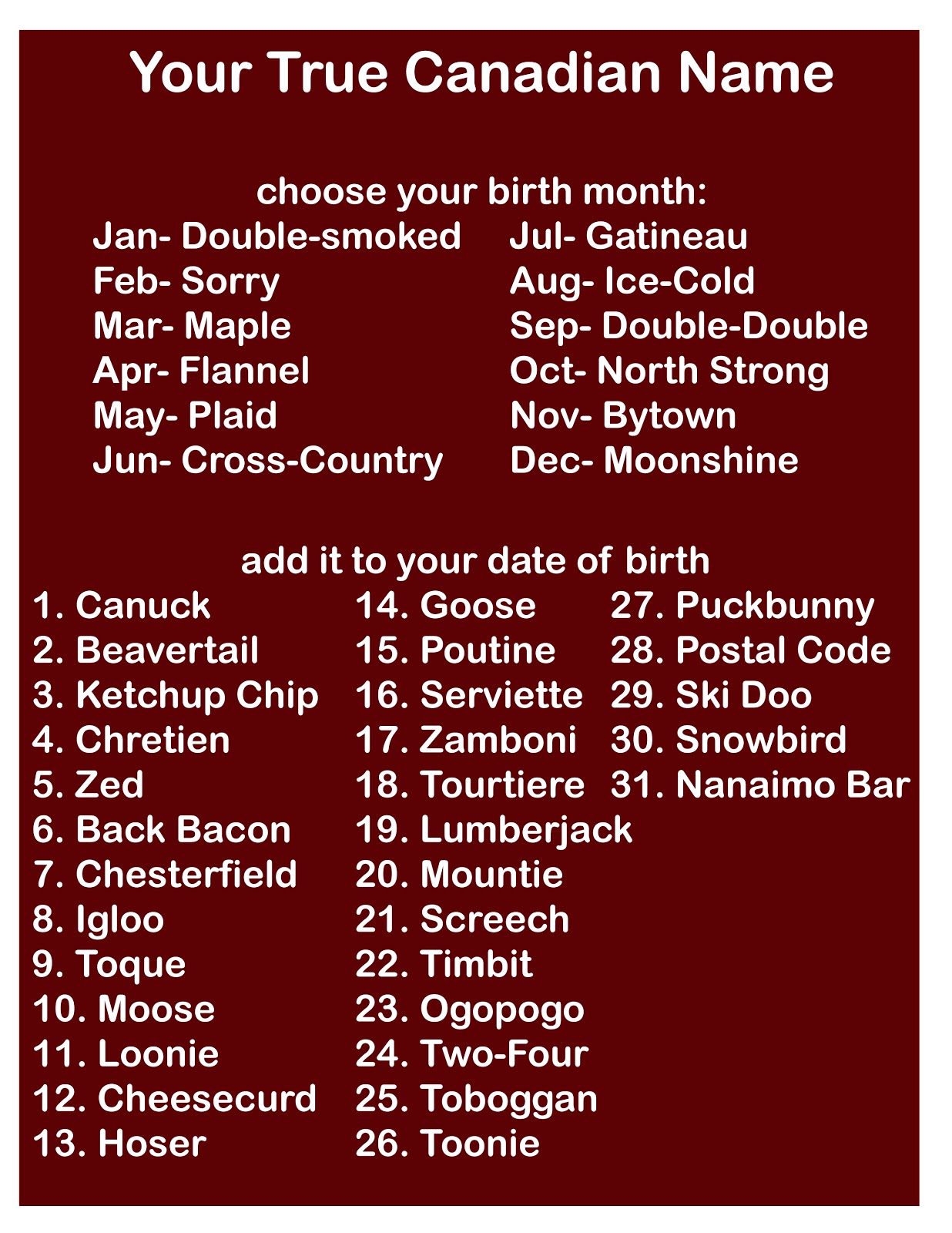
Flannel Antlers What's your TRUE Canadian Name?

The Most Popular Canadian Names FamilyEducation

Canadian women’s national team announce roster for September twomatch

